Introduction
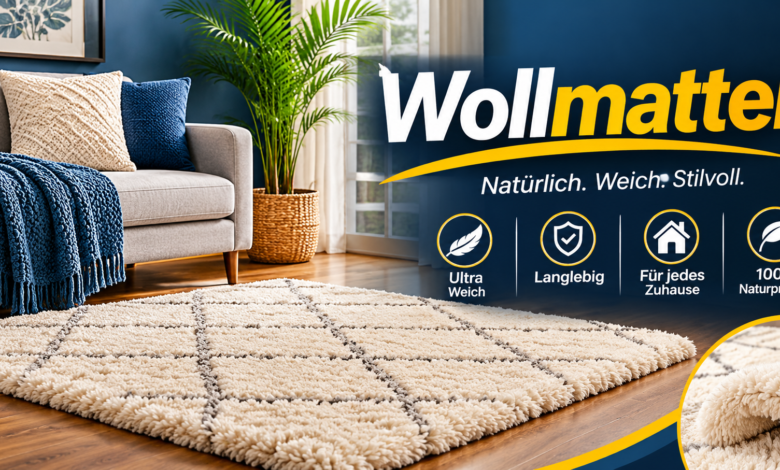
Wollmatten is a German term that translates into English as wool mats. It describes mats made entirely or partly from natural wool fibres, particularly sheep’s wool. These products are valued for their warmth, softness, flexibility, durability and practical applications in residential and commercial environments.
Wool mats have become an interesting choice for people who appreciate natural materials, comfortable interiors and environmentally conscious products. Depending on their construction, they can serve as decorative floor coverings, protective pads, felt surfaces, furniture accessories and specialised insulation materials.
One important detail is that Wollmatten does not refer to a single registered brand, patented technology or standardised product. It is a general product category. Different manufacturers produce wool mats using different materials, techniques, thicknesses and designs.
Understanding their characteristics is essential when choosing the right product. A decorative wool mat, for example, has different requirements from a dense insulation mat used in construction. This guide explores the meaning, background, materials, manufacturing methods, benefits, applications, maintenance and important purchasing considerations associated with Wollmatten.
Quick Information Table
| Detail | Information |
|---|---|
| Main keyword | Wollmatten |
| Meaning | Wool mats |
| Language | German |
| Singular form | Wollmatte |
| Plural form | Wollmatten |
| Primary material | Sheep’s wool |
| Material type | Natural animal fibre |
| Manufacturing methods | Felting, weaving, needle-punching and pressing |
| Main characteristics | Softness, warmth, resilience and moisture management |
| Common applications | Flooring, decoration, furniture protection and insulation |
| Environmental qualities | Renewable fibre and potentially biodegradable |
| Waterproof | Generally no |
| Maintenance | Regular cleaning and appropriate wool care |
| Product category | Natural textile products |
What Are Wollmatten?
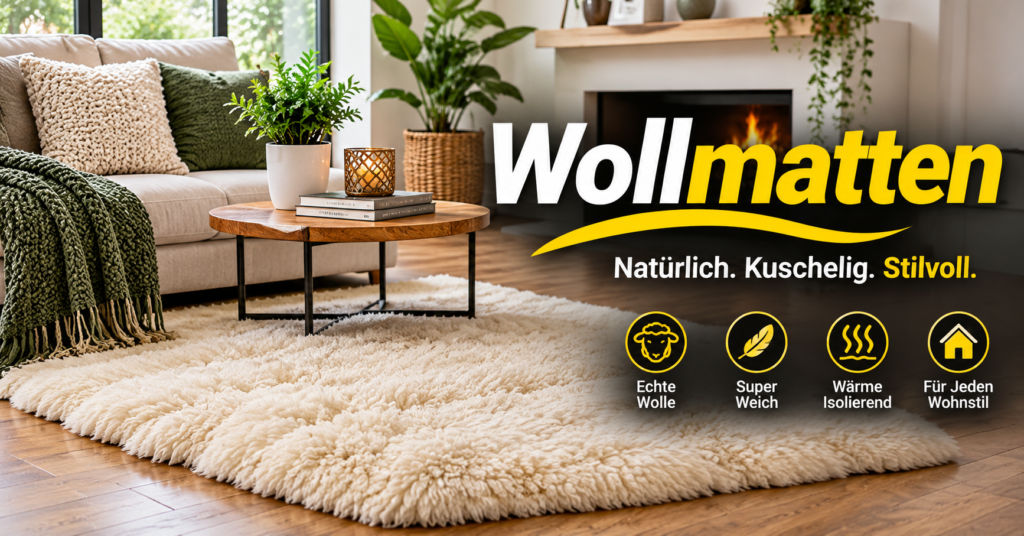
Wollmatten are wool-based mats manufactured for different practical and decorative purposes. The word combines two German terms: Wolle, meaning wool, and Matten, meaning mats.
The singular form is Wollmatte, while Wollmatten refers to multiple wool mats.
These products are generally associated with sheep’s wool, although their exact composition depends on the manufacturer. Some are made almost entirely from natural wool, whereas others incorporate cotton, synthetic fibres, adhesives, backing materials or protective finishes.
Wollmatten can have different textures and structures. Some are soft and flexible, making them suitable for comfortable indoor spaces. Others are densely compressed and firm, allowing them to perform protective or technical functions.
Their main defining feature is the use of wool fibres rather than one particular shape, size or manufacturing technique.
History and Background of Wollmatten
The Historical Use of Wool
Wool has been an important natural material throughout human history. People have used it for clothing, blankets, carpets, bedding and household textiles for thousands of years.
Its popularity developed because wool provides warmth, flexibility and comfort. It was particularly useful in regions where cold weather made natural insulation essential.
Historical textile production involved collecting fleece, cleaning the fibres, spinning yarn and transforming the material into useful products. Over time, weaving and felting techniques became increasingly sophisticated.
Wool carpets and interior coverings have a particularly long history. Evidence of wool’s use in household carpeting dates back to approximately 2000 BCE.
Development of Modern Wool Mats
Traditional wool products were commonly produced through manual techniques. As textile manufacturing developed, machinery made it possible to process fibres more efficiently and produce consistent materials.
Modern manufacturing introduced several methods, including mechanical felting, needle-punching and industrial pressing.
These techniques allowed wool to be manufactured into different densities and thicknesses. Consequently, wool mats expanded beyond traditional household decoration into furniture protection, construction materials and specialised applications.
Today, Wollmatten represents a broad category that combines traditional natural fibres with modern textile manufacturing.
Materials Used in Wollmatten
The material composition determines the quality, performance and suitability of a wool mat.
Natural Sheep’s Wool
Sheep’s wool is the most common material used in Wollmatten. It is a natural protein fibre containing keratin.
Its naturally crimped structure creates small spaces that trap air, contributing to thermal insulation and softness.
Wool also has the ability to absorb and release moisture vapour. This helps the material interact with changes in surrounding humidity.
Wool Blends
Some manufacturers combine wool with other textile fibres to achieve specific characteristics.
Common additions include:
- Cotton for different textures and construction requirements.
- Polyester for additional structural support.
- Synthetic fibres for improved manufacturing consistency.
- Natural or synthetic backing materials for stability.
- Adhesives and binders for particular industrial applications.
Consumers should check the complete material description because a product advertised as a wool mat is not necessarily made from 100% wool.
How Are Wollmatten Manufactured?
The manufacturing process depends on the intended application, desired texture and material composition.
1. Wool Collection and Cleaning
The process generally begins with collecting sheep’s fleece. The raw material is sorted and cleaned to remove dirt, grease and unwanted particles.
The fibres are then prepared for further processing.
2. Fibre Preparation
After cleaning, wool fibres are separated, aligned or blended according to the required product specifications.
The preparation stage influences the texture, density and consistency of the finished material.
3. Felting
Felting is one of the traditional methods used to produce wool mats.
The fibres are exposed to moisture, heat and mechanical movement. Their natural surface structure allows them to interlock, creating a compact textile material.
Felted wool mats can be soft or relatively firm depending on their thickness and manufacturing conditions.
4. Needle-Punching
Needle-punching is a mechanical manufacturing technique.
Special needles repeatedly pass through loose wool fibres, entangling them and forming a stable sheet.
This process is useful for manufacturing dense materials, protective pads and certain insulation products.
5. Weaving and Pressing
Some wool mats are produced through weaving, while others are compressed into particular shapes and thicknesses.
The final product may receive additional finishing, trimming, backing or treatment depending on its intended use.
Main Features and Benefits of Wollmatten
Natural Warmth and Thermal Insulation
One of the most recognised characteristics of wool is its ability to provide insulation.
The naturally crimped fibres create air pockets that help reduce heat transfer. This makes wool materials useful for maintaining comfortable indoor environments.
Specially manufactured wool insulation mats can support thermal insulation in suitable building applications.
Softness and Comfort
Wool mats can provide a comfortable surface underfoot.
They are commonly considered for bedrooms, living rooms and other indoor areas where a softer surface is desirable.
Their texture also makes them suitable for decorative applications.
Moisture Management
Wool has a natural ability to absorb moisture vapour and release it into the surrounding air.
This property helps wool interact with changing humidity conditions.
However, moisture management should not be confused with waterproofing. A wool mat can absorb moisture, but prolonged exposure to water may damage certain constructions.
Resilience and Flexibility
Wool fibres have a naturally spring-like structure. They can compress under pressure and recover to some extent when the pressure is removed.
This characteristic contributes to the resilience of wool-based floor coverings and cushioning materials.
Actual performance depends on fibre quality, construction and product density.
Natural Fire Resistance
Wool has naturally favourable fire-resistance characteristics compared with many common textile fibres.
It is relatively difficult to ignite and does not melt or drip in the same way as certain synthetic materials.
Nevertheless, wool is not fireproof. Its fire performance depends on the complete product, including dyes, backing and additional treatments.
Sound Absorption
Dense wool-based materials can help absorb sound and reduce reflections within indoor environments.
This makes specially designed wool products useful in certain acoustic applications.
However, the level of sound absorption depends on thickness, density, installation and the surrounding construction.
Environmental Considerations
Wool is a renewable natural fibre obtained from sheep.
Untreated wool can biodegrade under suitable environmental conditions because it is made from keratin, a naturally occurring protein.
Its environmental impact nevertheless depends on farming practices, manufacturing, transportation, chemical treatments and the other materials included in the finished mat.
Common Uses of Wollmatten
Wollmatten can serve several purposes depending on their construction and specifications.
Home Decoration and Floor Coverings
Custom Floor Coverings – Shop – FilzFelt
Decorative wool mats can add warmth, texture and visual interest to indoor spaces.
They can be used in:
- Bedrooms.
- Living rooms.
- Reading corners.
- Home offices.
- Hallways.
- Relaxation areas.
Their appearance can complement traditional, contemporary and minimalist interior designs.
Furniture Protection
Wool felt mats and pads can help protect furniture surfaces.
They may be placed beneath decorative objects, furniture accessories or equipment to reduce direct contact with delicate surfaces.
The correct thickness and density are important when selecting protective materials.
Building Insulation
Health — Chemical Families that We Avoid | Earth Bound Homes
Specially manufactured sheep’s wool insulation mats are used in certain building applications.
Their fibrous structure helps trap air and reduce heat transfer. Some products can also contribute to acoustic comfort.
It is important to distinguish these technical materials from ordinary decorative wool rugs. Building insulation must meet relevant performance, moisture, fire and installation requirements.
Crafting and Creative Projects
Wool felt mats are useful in textile crafts and creative projects.
They can be used for:
- Sewing and embroidery.
- Decorative handmade products.
- Textile artwork.
- Protective work surfaces.
- Small household accessories.
Their flexibility and ability to hold their shape make them useful for different creative applications.
Gardening Applications
Certain wool-based mats are manufactured for gardening.
Depending on their design, they may be used as soil coverings, plant-protection materials or biodegradable horticultural products.
Garden-specific wool mats can help reduce moisture loss and suppress some unwanted weed growth.
Their suitability depends on the product’s composition, thickness and intended outdoor conditions.
Different Types of Wollmatten
Wollmatten are available in several forms, each designed for particular requirements.
| Type | Main purpose |
|---|---|
| Felted wool mats | Decoration and protective surfaces |
| Woven wool mats | Indoor floor coverings |
| Needle-punched mats | Technical and protective applications |
| Wool insulation mats | Thermal and acoustic insulation |
| Wool padding mats | Cushioning and furniture protection |
| Garden wool mats | Soil covering and plant protection |
Choosing the right type requires understanding its intended purpose rather than relying exclusively on the general term Wollmatten.
Wollmatten vs. Synthetic Mats
Understanding the difference between wool and synthetic mats can help consumers make a more suitable purchasing decision.
| Feature | Wool Mats | Synthetic Mats |
|---|---|---|
| Material | Natural wool fibres | Manufactured fibres |
| Comfort | Naturally soft, depending on construction | Varies by material |
| Insulation | Naturally traps air | Depends on fibre structure |
| Moisture | Absorbs moisture vapour | Often absorbs less |
| Fire behaviour | Naturally flame resistant | Varies by synthetic fibre |
| Durability | Depends on wool quality and construction | Depends on material quality |
| Environmental impact | Renewable fibre | Often petroleum-derived |
| Biodegradability | Possible under suitable conditions | Generally more limited |
Neither option is automatically better for every situation. Wool is attractive for natural comfort and insulation, while synthetic materials may offer advantages in affordability, water resistance and certain heavy-duty applications.
How to Choose the Right Wollmatten
Selecting an appropriate wool mat requires considering its intended use and material specifications.
Check the Wool Content
Always examine the product label to determine whether the mat contains 100% wool or a fibre blend.
This is particularly important for people who prefer natural materials.
Consider Thickness and Density
Thickness affects cushioning and insulation, while density influences firmness and structural performance.
A soft bedroom mat may require a different construction from a firm protective or insulation mat.
Examine the Manufacturing Quality
Look for consistent fibre distribution, secure edges, suitable finishing and a construction appropriate for the intended application.
Poorly manufactured mats may lose their shape or develop uneven surfaces over time.
Consider the Installation Environment
Indoor decorative mats and building insulation products have different requirements.
For example, a mat intended for a dry bedroom may not be appropriate for a damp bathroom or outdoor environment.
Review Safety and Certifications
For technical applications, examine the manufacturer’s documentation.
Relevant information may include fire classifications, thermal conductivity, acoustic performance, chemical treatments and compliance with applicable building regulations.
Do not assume that every wool product automatically meets the requirements for construction or commercial use.
Maintenance and Cleaning of Wollmatten
Proper care can help preserve the appearance and useful life of wool mats.
Regular Vacuuming
Vacuuming helps remove dust, loose fibres and everyday dirt.
Use an appropriate setting to avoid unnecessarily aggressive treatment of delicate surfaces.
Treat Spills Quickly
If liquid spills onto a wool mat, gently absorb it using a clean, dry cloth.
Avoid excessive rubbing because this can push the liquid deeper into the fibres or damage the surface.
Use Appropriate Cleaning Products
Wool requires suitable cleaning products and methods.
Harsh chemicals, excessive heat and unsuitable detergents may affect the colour, texture or structure of the material.
Always follow the manufacturer’s cleaning instructions.
Allow Proper Drying
If a wool mat becomes damp, allow it to dry thoroughly in a suitable ventilated area.
Avoid storing it while wet because persistent moisture can encourage unpleasant odours and damage.
Store Carefully
When a wool mat is not in use, clean it and store it in a dry location.
Protecting it from insects and excessive humidity can help maintain its condition.
Advantages and Disadvantages of Wollmatten
Although Wollmatten offer several useful characteristics, understanding their limitations is equally important.
Main Advantages
- Natural material: Wool is a renewable animal fibre.
- Comfortable surface: Many wool mats provide softness and cushioning.
- Thermal properties: Wool fibres naturally trap air.
- Moisture management: Wool can absorb and release moisture vapour.
- Resilience: Wool fibres can recover from compression to some extent.
- Fire resistance: Wool is relatively difficult to ignite.
- Design flexibility: Wool can be manufactured in different textures and finishes.
- Environmental potential: Untreated wool is biodegradable under suitable conditions.
Possible Disadvantages
- Higher purchase price: Some wool products cost more than comparable synthetic alternatives.
- Moisture sensitivity: Prolonged wet conditions can create problems.
- Maintenance requirements: Certain products require specialised cleaning.
- Moth damage: Wool can attract textile-damaging insects.
- Product variation: Blended products may have different characteristics from pure wool.
- Limited outdoor suitability: Not every wool mat is designed for exposure to weather.
- Weight: Dense wool mats can be heavier and more difficult to handle.
These limitations do not make wool mats unsuitable. They simply highlight the importance of selecting the correct construction and maintaining it properly.
Environmental Benefits and Sustainability
Sustainability is an important consideration when evaluating natural textile products.
Wool is a renewable fibre because sheep produce new fleece through their natural growth cycle. It is also a protein-based material that can biodegrade in suitable soil and aquatic conditions.
However, environmental responsibility involves more than choosing a natural fibre.
Several factors should be considered:
Responsible Wool Production
Animal welfare, land management, grazing practices and responsible farming are important aspects of wool production.
Products sourced through transparent supply chains can provide consumers with better information about their origins.
Reduced Material Waste
Long-lasting wool products can reduce the frequency of replacement when properly maintained.
Some wool fibres can also be recycled and reused in other textile products.
Biodegradability
Untreated wool can naturally decompose through the activity of microorganisms.
However, synthetic backing, adhesives, dyes and chemical treatments may affect the biodegradability of the finished mat.
Consumers should therefore assess the complete product rather than assuming that every item marketed as natural wool is entirely biodegradable.
Modern Developments and the Future of Wollmatten
The development of wool-based materials continues to reflect changing consumer interests and manufacturing requirements.
Natural materials, material efficiency, indoor comfort and sustainable construction are important considerations in modern textile and building industries.
Several areas are particularly relevant to the future of Wollmatten.
Improved Manufacturing Techniques
Modern felting, fibre processing and needle-punching techniques allow manufacturers to produce materials with more consistent thickness, density and structure.
These improvements support a wider range of decorative and technical applications.
Natural Building Materials
Sheep’s wool insulation is one example of how traditional natural fibres can be incorporated into contemporary construction.
Manufacturers continue to develop specialised products for thermal performance, moisture management and indoor acoustic applications.
Sustainable Interior Design
Natural textures and renewable materials remain relevant in interior design.
Wool mats can complement wooden furniture, natural flooring and neutral colour schemes while adding warmth and texture.
Better Material Transparency
Consumers increasingly benefit from clear information about fibre composition, manufacturing methods, product origin and environmental claims.
This information is important when comparing different wool-based products and identifying genuinely natural options.
Importantly, these are broader developments in the wool and textile industries, not evidence of a particular new Wollmatten brand or product launch.
Frequently Asked Questions About Wollmatten
1. What does Wollmatten mean?
Wollmatten is a German term meaning wool mats. It describes products made fully or partly from wool fibres.
2. What is the singular form of Wollmatten?
The singular form is Wollmatte, which refers to one wool mat.
3. Are Wollmatten made from 100% wool?
Not necessarily. Some products contain pure wool, while others combine wool with synthetic fibres, cotton, backing materials or adhesives.
4. Are Wollmatten suitable for everyday home use?
Yes. Many decorative wool mats are suitable for bedrooms, living rooms, offices and other indoor spaces. Their suitability depends on construction, cleaning requirements and expected foot traffic.
5. Are Wollmatten waterproof?
No. Wool can absorb moisture vapour, but this does not make wool mats waterproof. Prolonged exposure to water should generally be avoided unless the manufacturer specifically approves the intended use.
6. Can Wollmatten help with insulation?
Specially manufactured wool insulation mats can help reduce heat transfer and provide acoustic benefits. Ordinary decorative wool mats should not be substituted for certified building insulation.
7. Are Wollmatten environmentally friendly?
They can be an environmentally conscious option because wool is renewable and can biodegrade under suitable conditions. The overall environmental impact depends on farming, processing, transportation and additional materials.
8. How long do Wollmatten last?
Their lifespan depends on fibre quality, manufacturing, thickness, maintenance and frequency of use. There is no single lifespan that applies to every wool mat.
9. Can Wollmatten be washed?
Some wool mats can be washed using appropriate methods, while others require professional cleaning or spot treatment. Always check the manufacturer’s care instructions.
10. Are Wollmatten suitable for outdoor use?
Only products specifically designed for outdoor conditions should be used outside. Standard indoor wool mats may deteriorate when exposed to prolonged moisture and harsh weather.
Final Thoughts on Wollmatten
Wollmatten represent a versatile category of wool-based products that combine traditional natural fibres with modern manufacturing techniques. Their applications range from decorative home accessories and protective pads to specialised insulation materials.
Their most notable characteristics include natural warmth, softness, resilience, moisture management and potential environmental benefits. At the same time, they require appropriate maintenance and are not automatically suitable for every environment.
The most important consideration is choosing a product that matches its intended purpose. By checking wool content, manufacturing quality, thickness, density and care requirements, consumers can make more informed decisions.
Whether used to improve interior comfort, protect furniture or support natural building materials, Wollmatten demonstrate how a traditional fibre can remain useful across a variety of modern applications.
Important Research Note
The supplied website’s accessible homepage does not contain a dedicated Wollmatten article, product specification or identifiable Wollmatten product range. Therefore, this article treats Wollmatten as a general wool-mat category rather than attributing unsupported products, prices or company claims to that website.
The historical and technical background is consistent with established wool-industry information. In particular, wool carpeting dates back approximately 2,000 BCE, and current industry research discusses wool’s insulation, flame resistance, moisture management and biodegradability. IWTO+4
Getdailymag.com

